
The bombardment, six months on
At Oshana our ethos is joy as an act of resistance, purpose as a means of hope, creativity as a form of escapism.
Six months on from the ceasefire that came into effect on 17 April, the south of Lebanon is still experiencing open warfare with Israeli occupation and strikes. Hundreds of thousands of people remain displaced, while rising prices and inflation have deepened the economic crisis.
Oshana’s community of refugee women live in the camps around Beirut, where active bombardment has paused but the emotional and economic impact of the war is still felt.
Yet, we find the light.
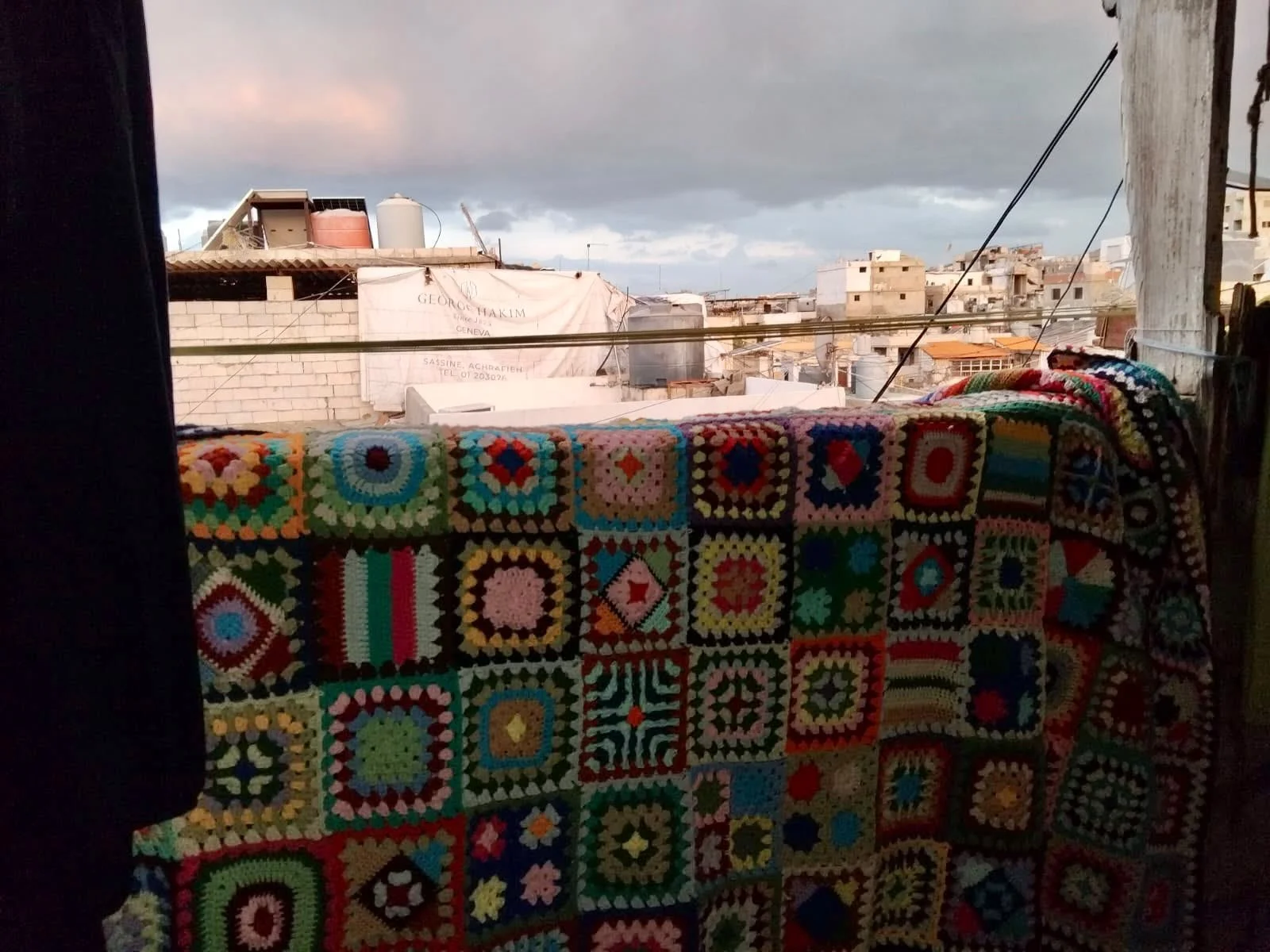
Large Habibi blanket photographed against the skyline of Shatila refugee camp, at the home of one of the Oshana artisans.
Spring 2026: Solidarity through bombardment
We were forced to pause all production in March and April due to the active bombardment of Beirut. Yet, thanks to the incredible help of everyone who supported the crowdfunder or bought an Oshana item, we were able to keep paying our women through the whole of the crisis - many of whom were displaced by the bombing.
In the words of our artisan Ibtisam:
“We had to leave our home and no longer had a stable place to go. We spent our time on the streets or in parks, which was exhausting for us both mentally and physically. These circumstances had a difficult psychological impact on all of us, especially the children. The assistance from Oshana arrived at a very important time for us. It helped us meet our basic needs, especially food, medicine, and some essential items for daily life.”
Thanks to your support, during this time we also provided humanitarian items including nappies, blankets and clean water to families having to sleep rough due to the bombing, as well as emergency cash assistance to 325 households to pay for critical medicines, accommodation and food at a time when prices skyrocketed.
After the ceasefire: healing from trauma
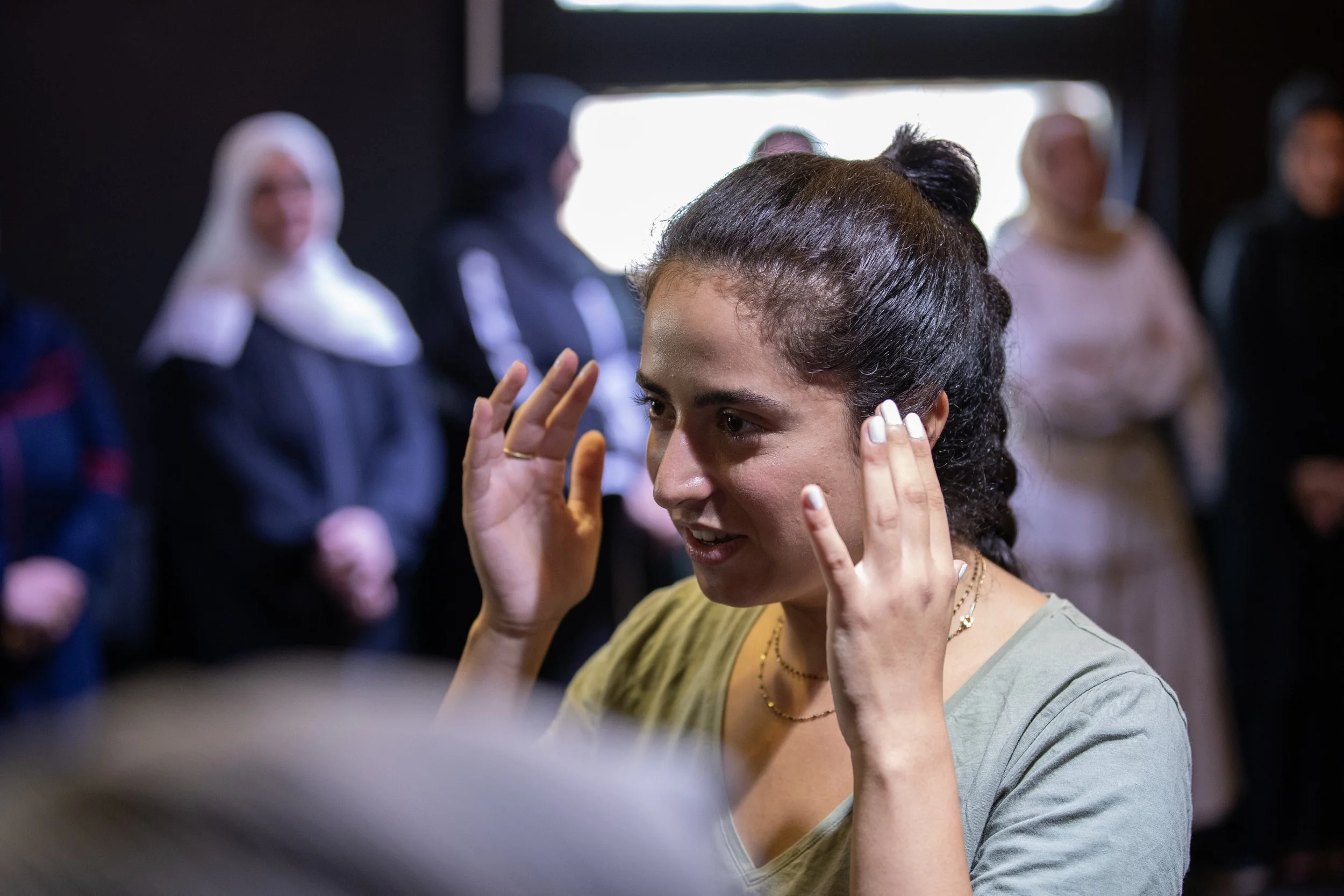
Drama therapy session run by Oshana’s parent charity Makani.
Since the ceasefire, the security situation in Beirut has stabilised, bar a few sporadic strikes. However, in the words of Doha, our programme manager in Beirut:
“Everyone is dealing with the financial pressure caused by the mass displacement and the economic crisis. Prices have gone up even higher than during the war. Because so many people are displaced there is huge competition for accommodation, so rents went up and up. Food and transportation and basic necessities have become more expensive too. Inflation is at over 16% since the start of the year - that is a huge amount for families on very small incomes… Many families are being pushed into debt just to survive. People are living on the edge, and emotionally they are exhausted.”
Oshana’s parent charity Makani, which supports refugee women through the arts, has run drama therapy courses, helping 60 women process the fear and trauma of living through the bombardment and its aftermath.
Participant Sara explains what this course has meant to her:
“I learned how to express myself through talking, through crying, through my body. We did exercises where we thought about the past. I felt safe. We learned breathing techniques to release stress. I still use these to help me cope.”
Oshana: a lifeline
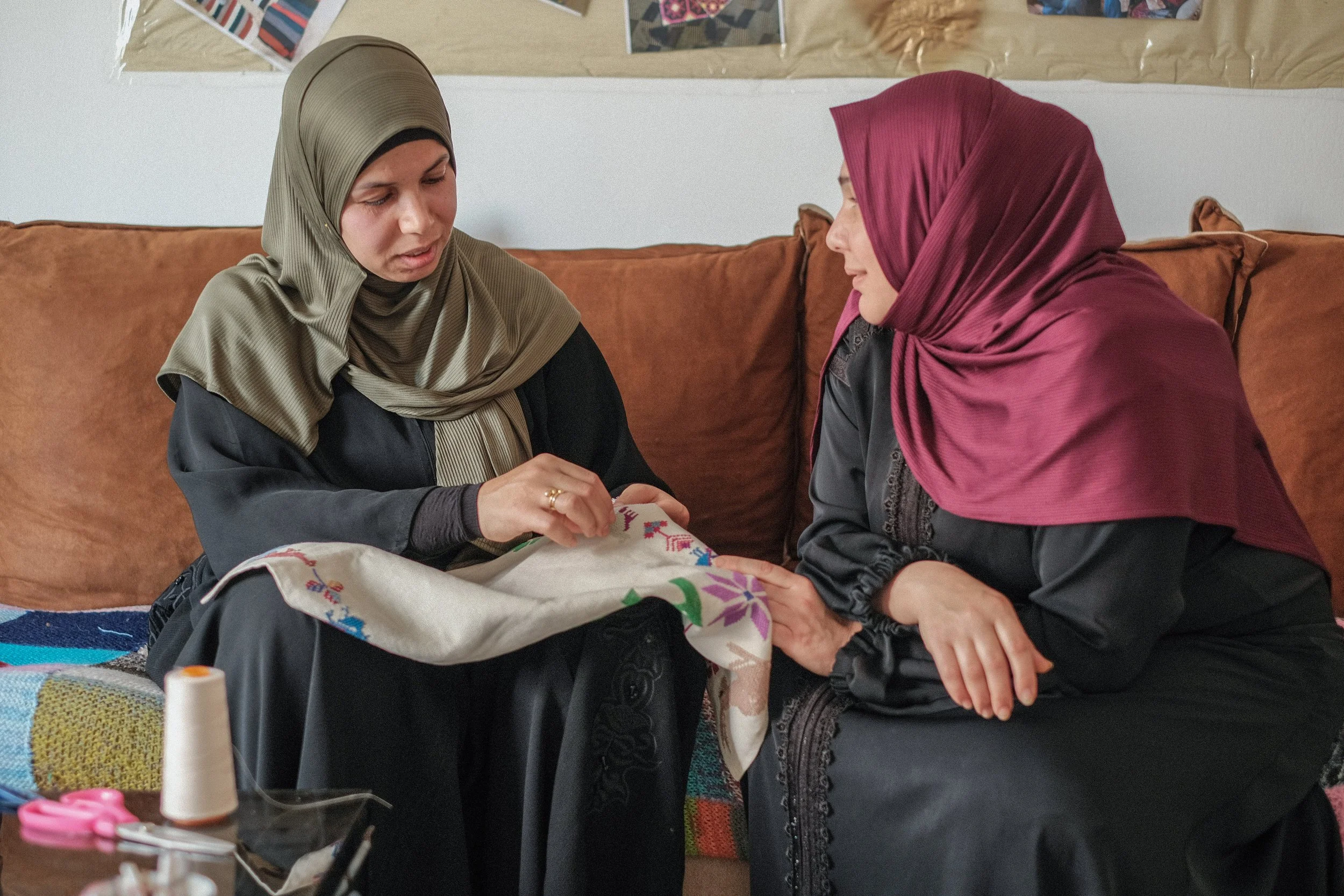
Oshana women working together at the studio in Beirut.
Meanwhile, Oshana carries on as ever, giving women a lifeline through a form of income that is also a kind of therapy and a source of community.
Our Programme Manager Doha explains:
“Oshana has managed to support women with a steady income all year. In this environment of instability and anxiety I can’t tell you how important that is. Oshana has become the safe place. It is where women who are at risk can come to ask for help. It is where they gather and talk to each other and dance and laugh and forget their worries for a moment. It is where they do beautiful work and are able to earn a living.”
Buying an Oshana piece or gift enables us to keep supporting women living in the anxiety and struggle of the war’s long shadow. It enables women to keep knitting their lives together, supporting each other emotionally and supporting their families economically. In uncertain times, it provides a beacon of hope.
Doha concludes:
“Active bombardment is over, and the media spotlight has passed on. But it’s important for people to know and to share - the impact of the war is still with us. Recovery will take more than a few months, especially for people who are suffering from double displacement - that is refugees who lost their new homes yet again. They are carrying a lot of trauma. Healing takes a long time.”
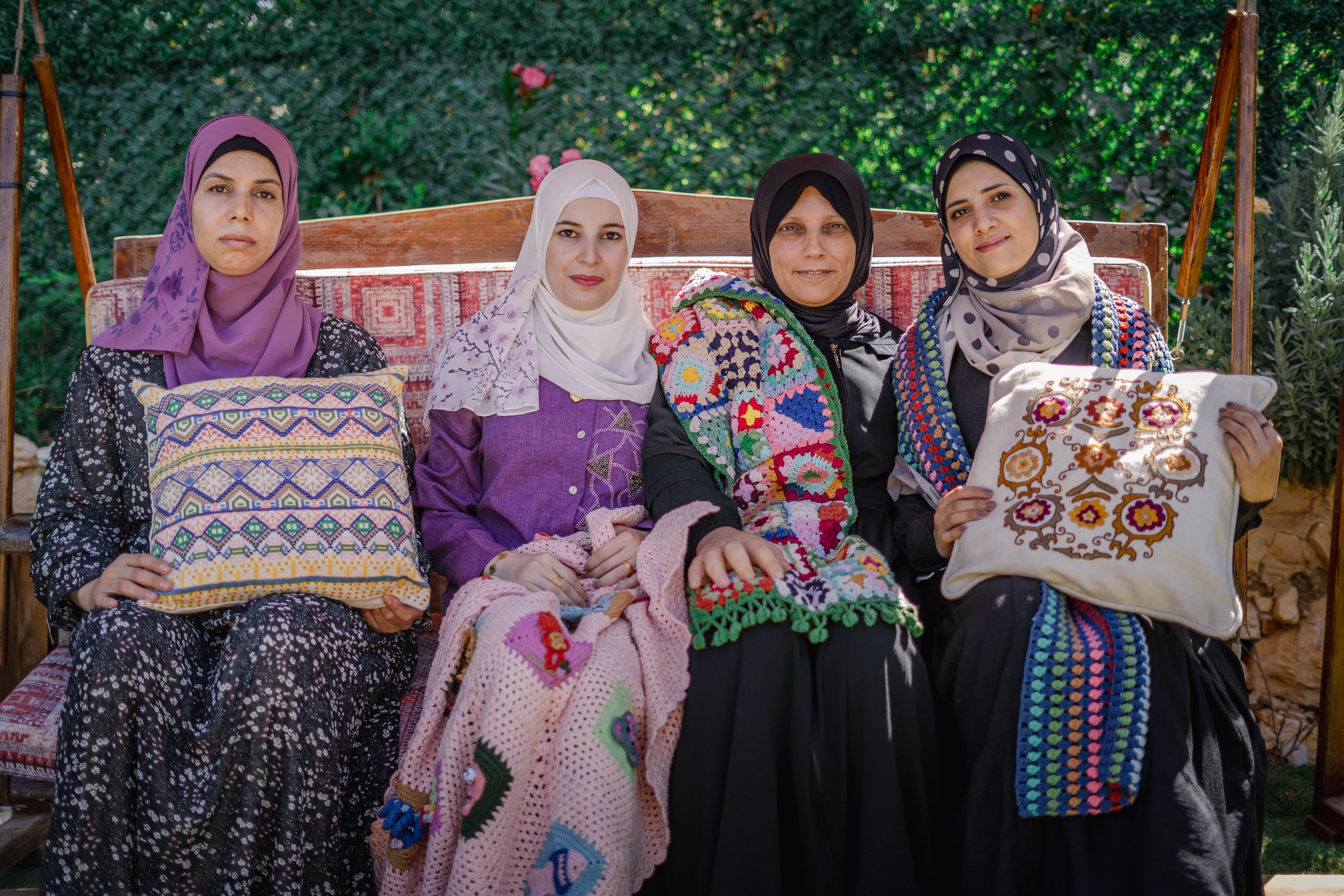
We couldn’t do it without you.
In the words of artisan Ibtisam:
“I would like to express my sincere gratitude to everyone who contributed. Your support and generosity mean a great deal to us, and we are grateful that you remembered us and stood by us in these difficult circumstances.”
Every sale helps support a displaced woman and her family, allowing her to stitch her life back together, and helping ravaged communities heal.
Shop Oshana:

This design is quintessentially Palestinian, or ‘felastini’ in Arabic, featuring intricate patterns in traditionally rich Palestinian hues. The Felastin cushion celebrates the cultural heritage of Palestinian embroidery.
There were hundreds of thousands of Palestinian refugee families in Syria before the war. Now many of them have been forced to flee, displaced for a second time. We support as many as we can through Oshana, offering a way to keep their incredible craft heritage alive, as well as find a dignified and decent income, and friends to support them. Meanwhile embroidery itself provides a mindful and meditative process that calms the mind and helps women who have lived through the worst to cope with anxiety and stress.
£65; Oshana.co.uk
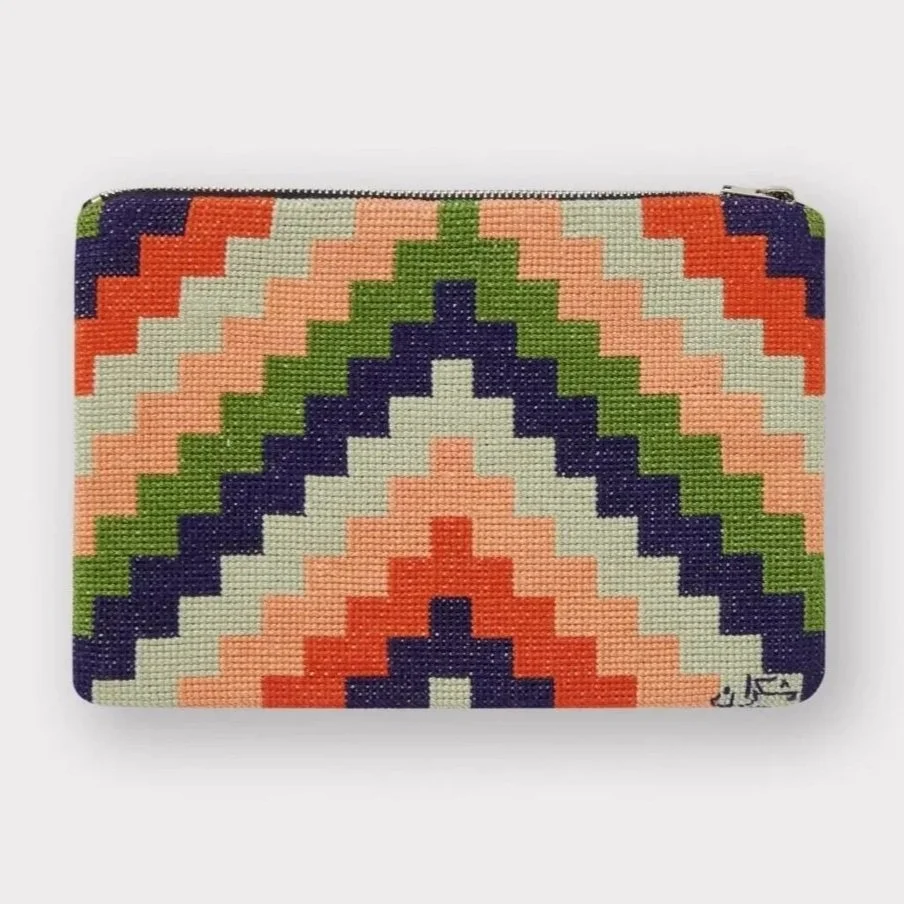
Each Soraya clutch takes around a week to complete. It is stitched entirely by hand by one of our refugee artisans in Lebanon. Every tiny cross stitch is placed individually, reflecting deep patience, skill and a rich embroidery heritage carried through generations.
The name Soraya refers to the Pleiades star cluster and is widely used across the Middle East. Often associated with guidance, brightness and connection, it reflects both the pattern’s rhythm and the collective strength of the women who make it.
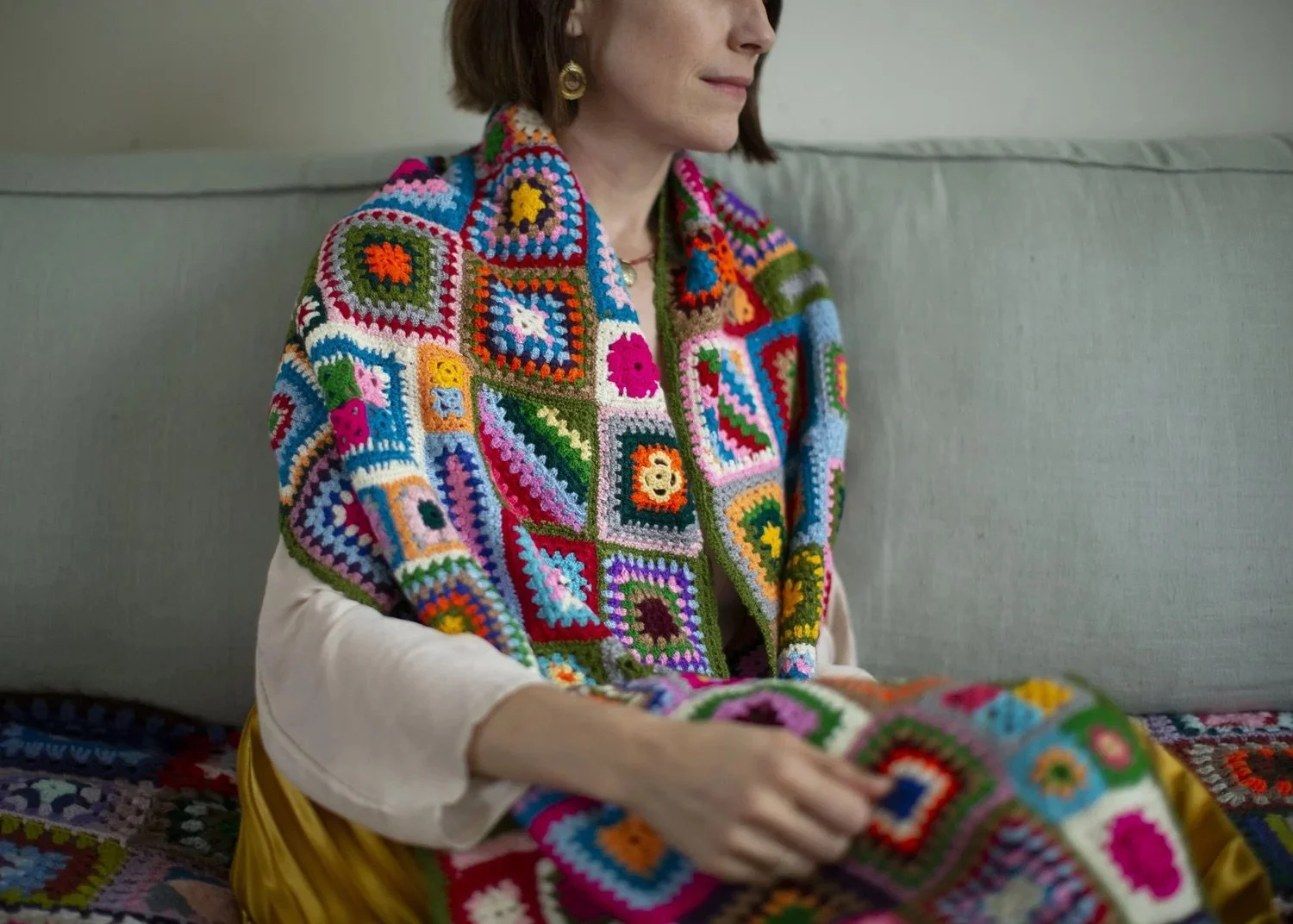
Joyful creativity unleashed, the Zaha scarf is handmade by one of our expert Syrian refugee artisans. Sitting in a supportive circle with others, working without a strict pattern, this is group craft therapy as much as earning a living. Meanwhile, it will keep you cosy and colourful all winter long.
